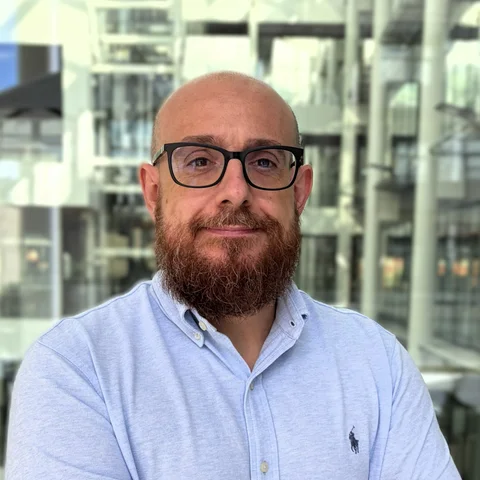


Ismael Bermudez
Technology can enable change. But transformation only works when people, teams and business goals move in the same direction.
For this Meet the Expert, we sit down with Ismael Bermudez, UK IT Project Lead at the Holcim EMEA Digital Center, to talk about what it takes to turn complex technology initiatives into real business transformation — from aligning teams and managing dependencies to building ownership, driving adoption and keeping everyone focused on the value we want to create.
Making transformation stick
What does successful transformation look like?
From a Program Management perspective, delivering the technology is only the starting point.
For me, a transformation is successful when technology, people and business objectives come together. That means business and technology teams working as one, end users understanding and embracing new ways of working, and everyone sharing ownership of the bigger vision.
The goal is not simply to launch a new system or capability. It is to make sure that the change becomes part of how the organization works and ultimately delivers the business outcomes behind the transformation.
Managing complexity: where Program Management makes a difference
Large transformation programs are rarely straightforward. They bring together different teams, priorities, technologies and markets, often with multiple dependencies and changes happening at the same time.
And some of the biggest challenges are not technical at all. Resistance to change, unclear responsibilities, scope drift or team fatigue can all put delivery — and ultimately the transformation itself — at risk.
This is where Program Management plays a critical role.
A Program Lead needs to keep the bigger picture in sight while connecting all the moving parts: business objectives, scope, teams, milestones, dependencies, decisions and risks. Clear governance and responsibilities, realistic planning, transparent communication and early stakeholder engagement help create the conditions for teams to move forward together.
For me, Program Management is not only about keeping a program on track. It is about creating alignment, helping teams make the right decisions at the right time and keeping everyone focused on the outcomes we are trying to achieve.
Turning technology into business value
Technology is the enabler, but people unlock the value.
One of the key responsibilities in a transformation program is making sure that technology milestones remain connected to clear business objectives. Going live is important, but it is not the final measure of success.
Teams also need the knowledge, confidence and support to use new capabilities effectively. That is why adoption and capability building need to be considered throughout the program, not only at the end.
When people understand not just how a new solution works, but also why the change matters and what value it can bring, technology has a much better chance of becoming a real driver of business performance.
Three lessons I’ve learned about transformation
One of the most important principles in any transformation is breaking down the barriers between business and technology.
There are three lessons I’ve learned that can make a real difference:
- Put people before systems. Technology alone doesn’t transform organizations — people do. Understanding whether teams are ready for change is just as important as having the right solution in place.
- Build a “one team” mindset. The strongest transformations happen when business and technology teams move beyond silos, share accountability and work towards the same goal.
- Celebrate progress. Transformation takes time. Recognizing milestones — even small ones — helps maintain momentum, build confidence and remind teams how far they’ve come.
One last thought
If there’s one thing I’ve learned, it’s that transformation doesn’t happen because a new system goes live. It happens when people understand where we’re going, take ownership of the change and work together to get there.
Technology can enable the journey. But people are what make the change stick and turn it into real business value.